
A practical guide to vintage kimono fabric
You do not need to know every Japanese textile term to choose a beautiful piece. Start with what you want to make, then look at the fabric’s size, texture and condition.
Understand the format
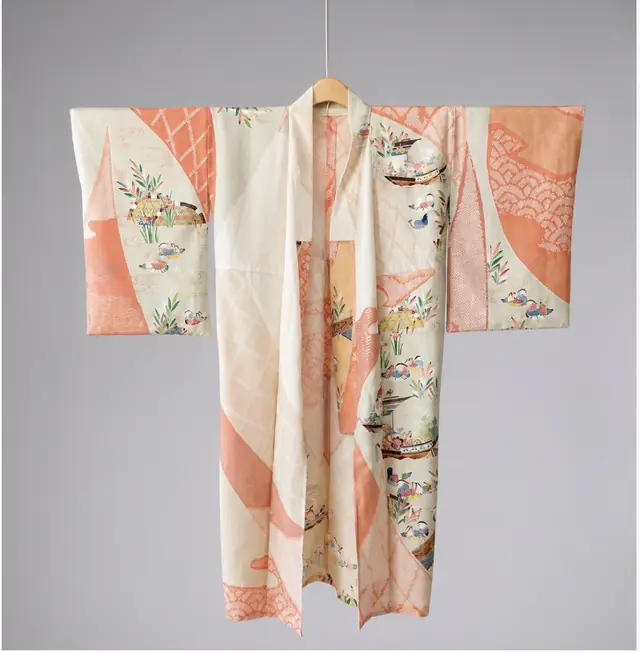
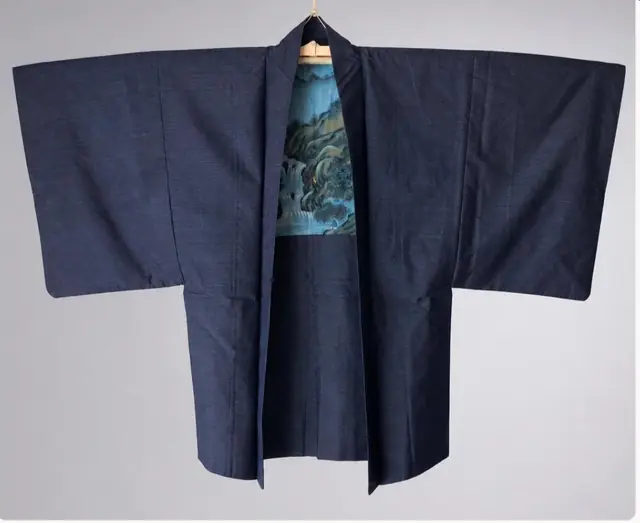
Reclaimed kimono fabric
These are pieces taken from an existing kimono. They may show evidence of their earlier construction, including folds, stitch lines or seams. Look at the usable area rather than assuming the whole cut is suitable for your pattern.
Vintage fabric rolls
A vintage roll may contain fabric that was never made into a garment. Unused does not necessarily mean free from age or storage marks. If a roll is offered, check the listing for its condition and how the fabric is sold.
Bundles and smaller cuts
Bundles group several pieces together. They can be useful when a project calls for variety rather than one continuous length. Check the number of pieces, their dimensions and whether the selection is exact or assorted.
Obi textiles
An obi is the sash worn with a kimono. Obi fabric can have a different weight and structure from kimono fabric, so check the individual piece before choosing it for a project that needs softness or drape.
A few textile terms you may encounter
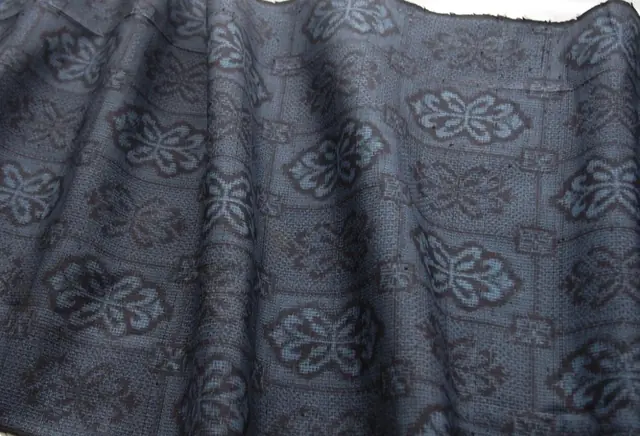
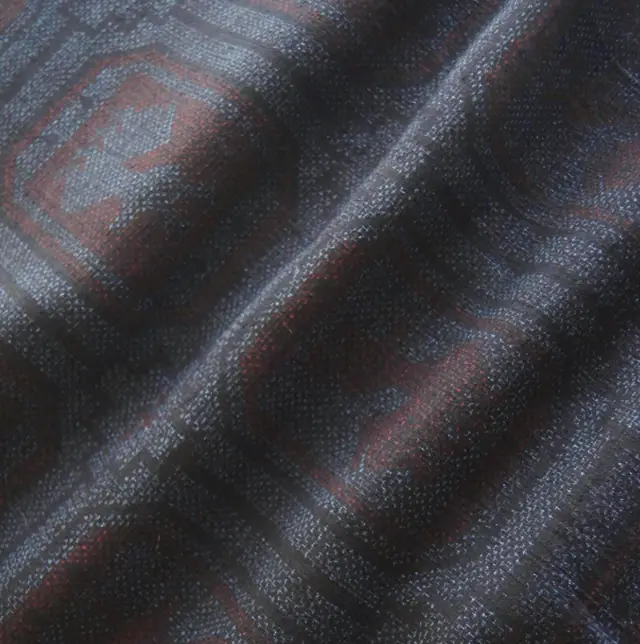
Chirimen
A crepe textile with a finely textured surface. Look closely at the fabric photographs to see how the texture affects the design and finish.
Tsumugi
A name associated with woven Japanese textiles, traditionally often silk. Texture and finish vary between types, so use the item’s description rather than the name alone to judge how it will feel and behave.
Shibori
A group of resist-dyeing techniques that create patterns by manipulating fabric before dyeing, for example through folding or binding. The appearance and remaining surface texture vary by piece.
Brocade
A fabric with a pattern created through weaving. Some brocades include metallic-looking threads. Check the description for fibre information, weight and backing.
Textile names describe a technique or type of fabric; they are not a substitute for the individual listing’s fibre and condition information.
Choose for the project you have in mind
Patchwork and appliqué
Look at how much of the motif will remain after cutting. Smaller patterns can work across several patches, while a larger design may be better as one focal panel. Consider how the fabric’s weight compares with the other materials in your project.
Explore Bundles and ScrapsPouches, bags and small accessories
Decide whether you want the fabric to drape or hold its shape. Consider lining, support and how much wear the finished item will receive. A decorative fabric may work best as a feature panel rather than the entire exterior.
Explore Kimono Fabric PiecesClothing and scarves
Start with your pattern’s full fabric requirements. Individual kimono panels may be narrower than the layout assumes, and matching lengths may not be available. Check drape, opacity and care needs before committing to a design.
Ask About a Specific PieceDecorative home projects
Think about where the item will be used and how it will be cleaned. A framed panel has different requirements from a cushion or table textile. Choose a material whose condition and construction suit the intended use.
Explore Obi and BrocadeLook at the usable size
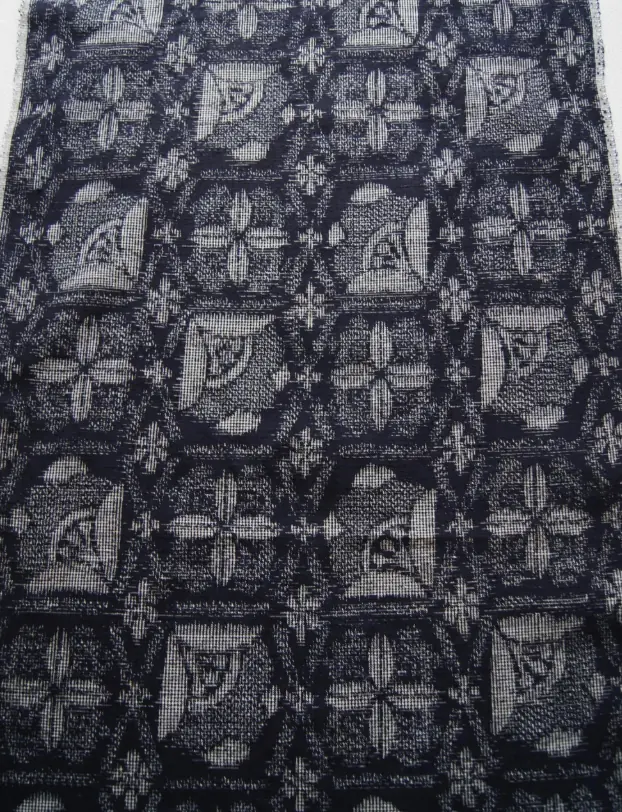
Check the width and length given in the listing. For bundles, check the dimensions of the individual pieces rather than assuming the stated quantity forms one continuous length.
Allow space for seams and the placement of important motifs. If you need two matching panels or a longer run of one design, ask before purchasing.
Read the signs of vintage condition
Folds, needle marks, fading, small stains and other signs of age may be present. Some can be worked around in a small project; others may matter more when you need a large uninterrupted panel.
If the photographs or description leave you unsure about an area you plan to use, send the listing link with your question before ordering.
Plan for care before cutting
Do not assume vintage fabric is machine washable or colourfast. Follow any item-specific guidance and consider the whole construction, including dyes, embroidery and metallic detail.
For a valuable or delicate piece, ask a textile-care specialist before cleaning. Keep stored fabrics away from strong direct sunlight and damp conditions.
Start with a piece that suits your idea
Explore the available fabrics with your project’s size, texture and care requirements in mind.
Explore FabricsAsk a Fabric Question